Rusty: A Cool Handwritten Font
There I was, staring at a blank brand board, trying to find the right tone for a new boutique café. The client wanted something modern but with a personal touch, something that felt like it had been written by hand rather than designed on a screen. That’s when I reached for Rusty.
A Delicate Handwritten Touch
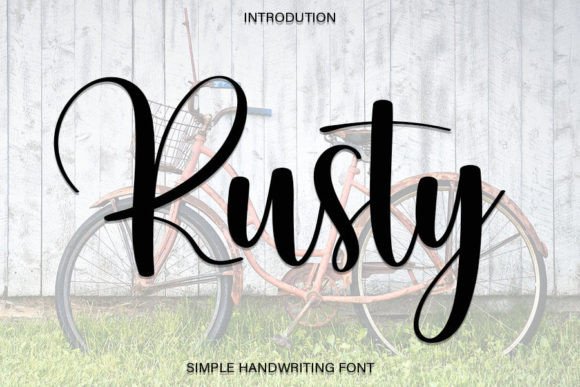
Rusty is a delicate handwritten font that feels like it was scribbled in a notebook during a late-night creative session. Its soft curves and subtle flourishes give it a warm, approachable vibe. It’s not overly ornate, but it has enough personality to stand out without being distracting. The font has a natural flow, making it feel like it was meant to be used for invitations, titles, or even food product labels.
What makes Rusty special is its balance between casual and refined. It doesn’t shout for attention, but it does demand to be noticed. This makes it ideal for brands that want to convey authenticity and creativity without leaning too far into the whimsical.
Testing Rusty in Real Projects
I tested Rusty across several design assets—logo drafts, brand boards, packaging mockups, business cards, website headers, and social media layouts. On a logo concept, it added a sense of individuality that felt fresh. When paired with a simple sans serif for the tagline, it created a nice contrast without clashing.
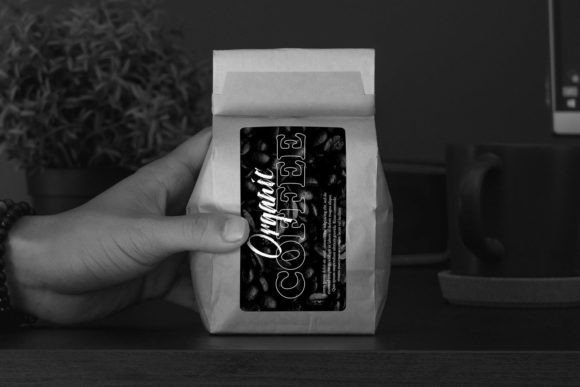
On a packaging mockup for a small bakery, Rusty worked well as a headline font. It gave the product labels a handmade quality that aligned with the brand’s aesthetic. However, I noticed that in smaller sizes, some of the details got lost. It’s best suited for larger text where its unique features can shine.
In web design, Rusty made a strong impression on a homepage hero section. It looked great against a clean background, adding visual interest without overwhelming the page. But I wouldn’t recommend using it for body text. Its delicate strokes don’t translate well to long paragraphs, especially on mobile screens.
When to Use Rusty
Rusty excels as a display or headline font. It works best for short phrases, titles, and logos where its character can be fully appreciated. It’s perfect for creative studios, handmade shops, or any brand looking to add a personal touch to their identity.
It also pairs well with other fonts. For example, pairing it with a classic serif font like Georgia or Baskerville can create a sophisticated yet friendly look. Alternatively, using it alongside a modern sans serif like Helvetica or Montserrat can offer a contemporary twist while keeping the design grounded.
One thing to keep in mind is that Rusty isn’t the best choice for formal corporate branding. Its casual nature might not align with the professionalism expected in certain industries. If you’re designing for a law firm or a financial institution, you’ll probably want something more structured and precise.
Practical Tips for Using Rusty
If you’re considering using Rusty in your next project, start by testing it in different contexts. Try it on a shop sign, product mockup, or social media post. See how it looks in both print and digital formats. Pay attention to how it scales—make sure it remains legible at various sizes.
Also, check the font’s available styles. Does it include alternates, ligatures, or swashes? These features can add depth and versatility to your design. If you’re working on a multilingual project, make sure Rusty supports the languages you need.
Before using Rusty in client work, always review the licensing terms. Some fonts have restrictions on commercial use, so it’s important to confirm that it’s suitable for your intended application, whether it’s for a website, print material, or merchandise.
Final Thoughts
Rusty is a versatile and stylish font that brings a unique personality to any design. It’s not a one-size-fits-all solution, but when used correctly, it can elevate a brand’s visual identity. Whether you’re working on a café refresh, a skincare label, or a creative studio logo, Rusty offers a refreshing alternative to more traditional typefaces.
For designers looking for a cool and unique handwritten font, Rusty is definitely worth considering. Just remember to use it where it shines—on headlines, logos, and short phrases—and avoid using it in situations where clarity and readability are paramount.